
Get an Instant Quote
Every Darteno project is backed by a written 3-year workmanship warranty.
Common Questions
How much does residential landscaping cost in Toronto, Ontario?
Residential landscaping costs in Toronto and the GTA typically range from $5,000 for a basic frontyard to $60,000 or more for a comprehensive backyard renovation with sod, planting, and drainage. A mid-size backyard of 1,500 to 2,000 square feet requiring sod installation, garden beds, and basic planting on mixed terrain generally runs $20,000 to $38,000. Smaller frontyard projects of 500 to 800 square feet with sod, topsoil, and basic planting typically fall in the $6,000 to $12,000 range. The main cost drivers are project size, finish level (functional, curb-appeal, or luxury), existing site condition, and any added services such as irrigation or privacy screening.
What landscaping adds the most value to a home in Toronto?
The landscaping features that add the most value to Toronto homes include interlock driveways, backyard patios, retaining walls, mature trees, low-maintenance gardens, and professionally designed outdoor living spaces. Homebuyers across the GTA often prioritize curb appeal and functional outdoor spaces when evaluating residential properties.
What is the best low-maintenance landscaping for Toronto homes?
Low-maintenance landscaping in Toronto often includes native plants, mulch garden beds, artificial turf, interlocking stone walkways, drought-resistant shrubs, and automated irrigation systems. Homeowners in Toronto and the GTA frequently choose landscaping designs that reduce watering, trimming, and seasonal maintenance while maintaining curb appeal throughout Ontario's changing seasons.
When is the best time to landscape a property in Toronto?
The best time for landscaping projects in Toronto is typically between spring and early fall when soil conditions and temperatures are ideal for excavation, planting, sod installation, and hardscaping work. Many homeowners schedule landscaping projects between April and October to avoid winter frost conditions.
Do I need a permit for landscaping work in Toronto?
Most landscaping projects in Toronto do not require permits, but permits may be necessary for retaining walls, large structures, decks, grading changes, or drainage modifications. Homeowners should confirm municipal bylaws and property regulations before starting major landscaping projects in Toronto, Scarborough, Markham, and surrounding GTA municipalities.
What are the best plants for landscaping in Toronto, Ontario?
Popular landscaping plants for Toronto properties include hydrangeas, boxwoods, hostas, cedars, ornamental grasses, black-eyed Susans, and native Ontario perennials. These plants are commonly selected for their durability, seasonal color, and ability to handle Toronto's freeze-thaw climate conditions.
How long does a landscaping project take in the GTA?
Residential landscaping projects in Toronto and the GTA can take anywhere from a few days to several weeks depending on project complexity, weather conditions, material availability, and site access. Larger landscaping projects involving patios, retaining walls, and drainage systems generally require longer timelines.
What is included in a professional landscaping quote?
A professional landscaping quote in Toronto typically includes excavation, grading, material costs, labor, drainage solutions, planting plans, hardscaping details, cleanup, and project timelines. Reputable landscaping contractors in the GTA provide written estimates outlining all work included so homeowners understand the full scope before work begins.
What is the difference between hardscaping and softscaping?
Hardscaping refers to non-living landscaping features such as patios, retaining walls, walkways, driveways, and outdoor kitchens. Softscaping includes living elements like sod, trees, shrubs, flowers, and garden beds. Most residential landscaping projects in Toronto combine both hardscaping and softscaping to create functional and visually appealing outdoor spaces.
How do I choose the best landscaping contractor in Toronto?
To choose the best landscaping contractor in Toronto, homeowners should review online ratings, portfolios, insurance coverage, warranties, and previous project experience. Experienced landscaping companies in the GTA provide detailed estimates, transparent communication, and references for residential landscaping projects in areas such as North York, Vaughan, and Markham.
Can landscaping improve drainage problems around my home?
Professional landscaping can significantly improve drainage issues around Toronto homes through grading, French drains, swales, retaining walls, catch basins, and permeable surfaces. Proper drainage solutions help prevent water pooling, foundation damage, soil erosion, and basement leaks during heavy Ontario rainfall and snowmelt seasons.
What are the most popular landscaping trends in Toronto?
Popular landscaping trends in Toronto include outdoor kitchens, fire pits, modern interlock designs, low-maintenance gardens, privacy screens, sustainable landscaping, and multi-functional backyard entertainment areas. Many GTA homeowners are investing in outdoor living spaces that extend usable living areas beyond the home itself.
Does landscaping increase property value in the GTA?
Professional landscaping can increase residential property value in Toronto and the GTA by improving curb appeal, outdoor functionality, and overall buyer perception. Well-maintained landscaping often helps homes stand out in competitive real estate markets across Toronto, Vaughan, Richmond Hill, and Markham.
What is the best type of grass for Toronto lawns?
Kentucky bluegrass, perennial ryegrass, and fine fescue blends are among the best grass types for Toronto lawns because they tolerate Ontario weather conditions and seasonal temperature changes. Many landscaping companies in Toronto recommend durable sod blends designed for high traffic areas and long-term lawn health.
Should I install sod or seed for my lawn in Toronto?
Sod installation provides immediate results and faster establishment for Toronto homeowners, while grass seed is typically more affordable but requires longer growth and maintenance periods. Sod is commonly recommended for residential landscaping projects in the GTA where homeowners want quick curb appeal improvements and erosion control.
How often should landscaping be maintained in Toronto?
Residential landscaping in Toronto typically requires seasonal maintenance including lawn care, pruning, mulching, fertilization, weed control, and irrigation adjustments. Many homeowners schedule weekly or biweekly landscaping maintenance services during spring and summer to keep properties looking clean and healthy throughout the growing season.
Can landscaping help create more privacy in my backyard?
Landscaping can improve backyard privacy using cedar hedges, privacy trees, fencing, pergolas, decorative screens, and layered garden designs. Homeowners across Toronto and the GTA often incorporate privacy landscaping solutions to reduce visibility from neighboring properties while enhancing outdoor comfort and aesthetics.
Darteno Construction Inc. provides residential landscaping services throughout Richmond Hill, Vaughan, Markham, Thornhill, Aurora, Newmarket, North York, Scarborough, Woodbridge, and Toronto. From new-construction lots that need grading, sod, and garden beds, to established backyards ready for a full renovation, we work with every type of residential property across the GTA. We are licensed, insured, English- and Mandarin-speaking, and have been serving GTA homeowners since 2021. All estimates are free. Call (647) 838-3200 or visit 142 Valleymede Dr, Richmond Hill, ON.
Sod Installation
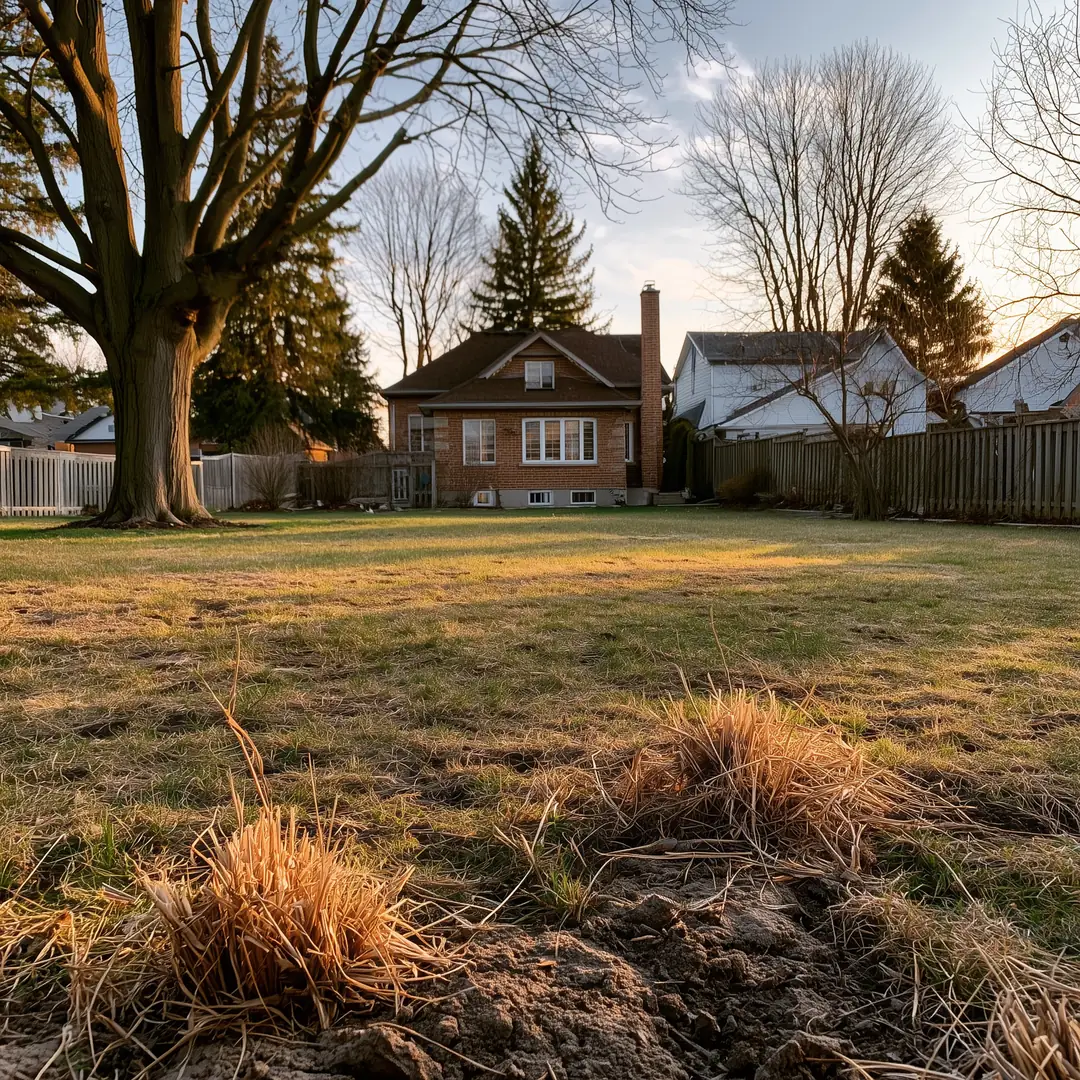
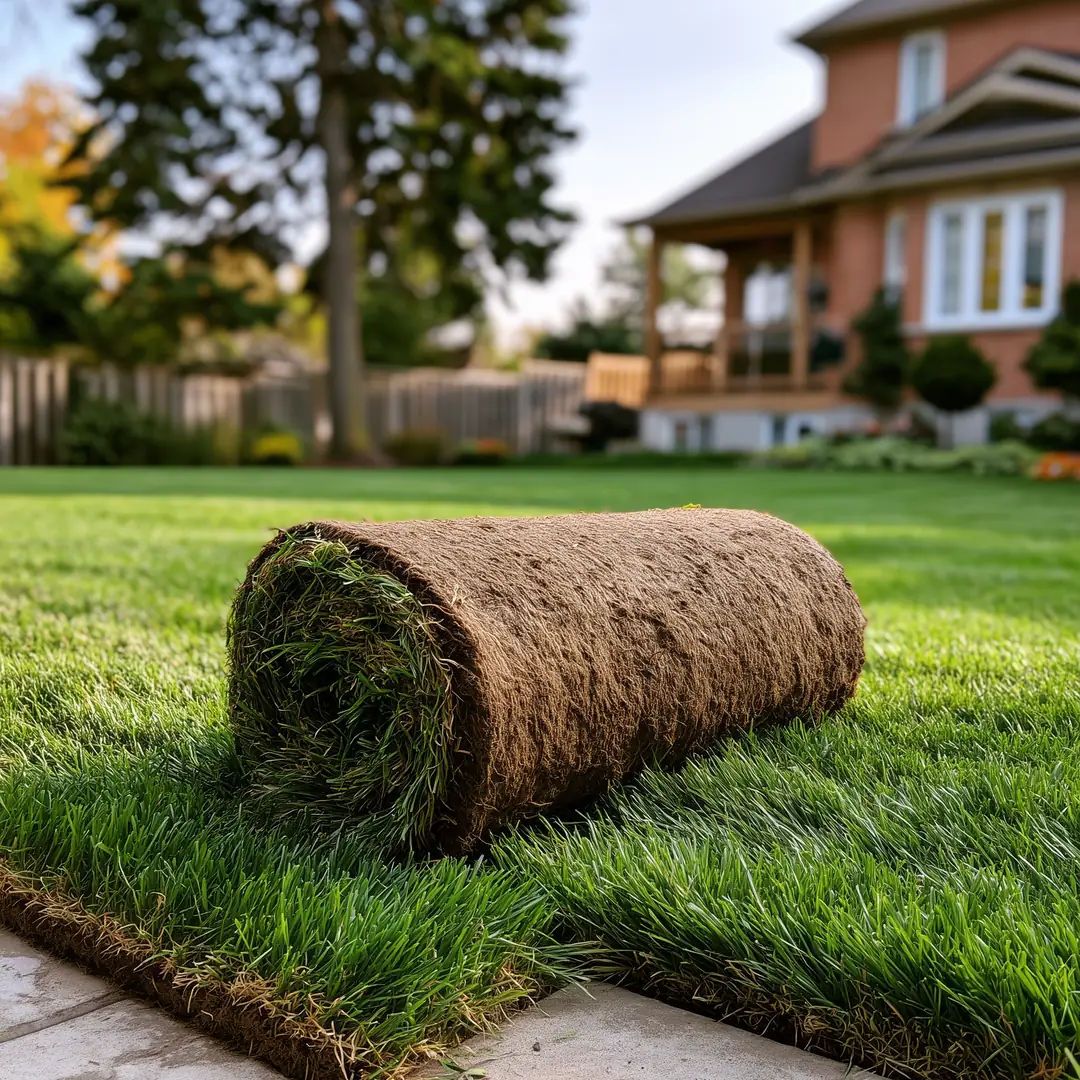
Sod installation is one of the fastest ways to transform a bare or damaged lawn into a finished green surface. We source sod from Ontario growers in Kentucky bluegrass, perennial ryegrass, and fine fescue blends; all well suited to Toronto's climate. Before laying sod, we grade the soil, remove debris, and import topsoil where required to create a level, nutrient-rich base. Sod edges are tightly butted to prevent gaps, and the installation is rolled and watered on the day of placement.
Sod takes root faster than seed, provides immediate erosion control, and gives homeowners a usable lawn within weeks rather than months. We recommend sod over seed for most residential applications in Toronto for backyards, new construction lots, and any area where a clean result is needed on a specific timeline. Residential sod installations generally take one to three days. On the final day, you receive watering guidance tailored to the specific sod blend and season.
Before
After
Planting
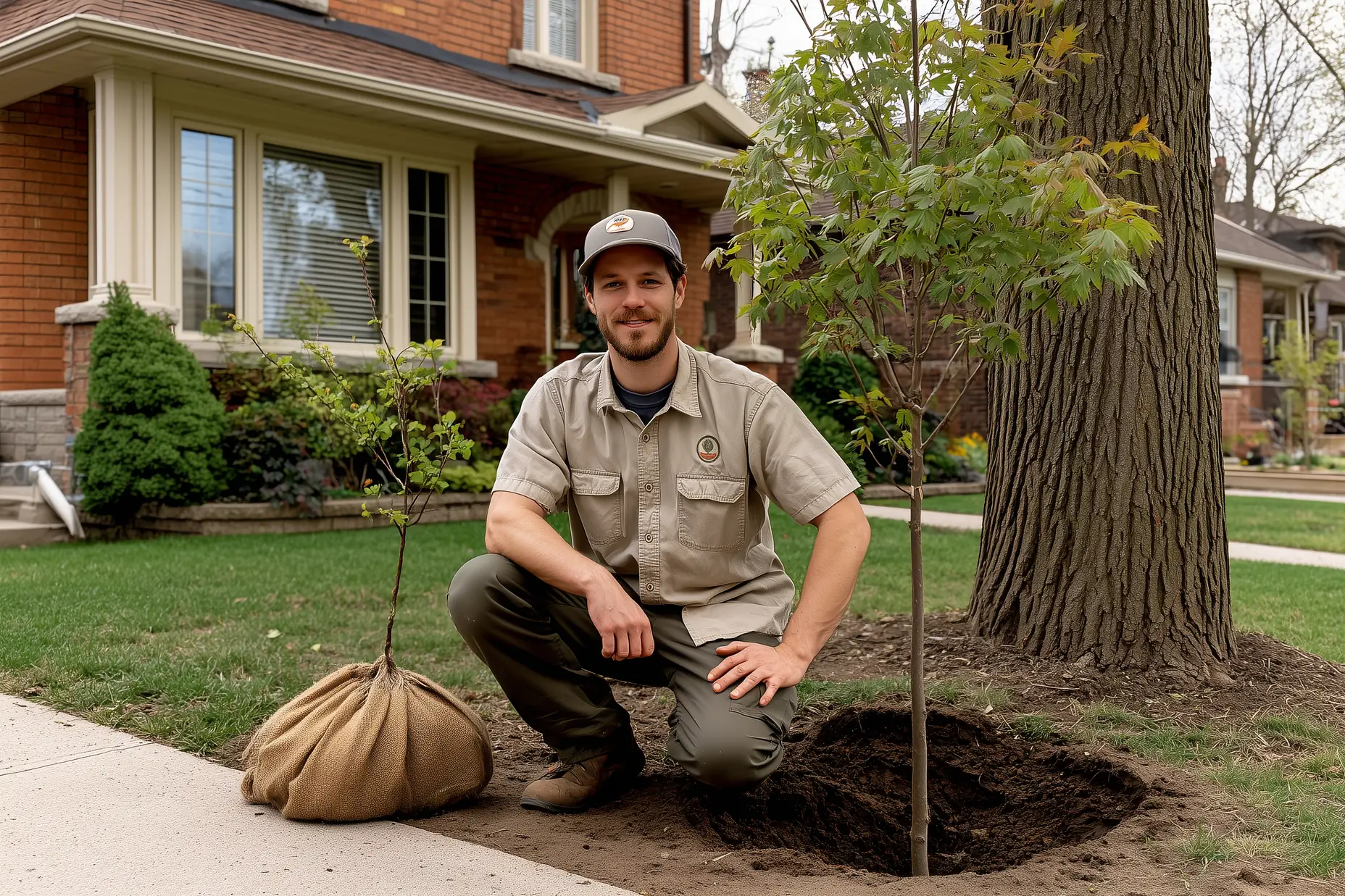
Trees and shrubs are the structural backbone of any residential landscape. They provide privacy, seasonal colour, shade, and habitat, and they increase in value as they mature. We plant a wide range of species including deciduous trees, evergreen trees, flowering shrubs, ornamental grasses, and native Ontario perennials selected for the specific light, soil, and maintenance conditions of each property.
Proper planting technique is critical to long-term survival. We dig planting holes at the correct depth and width, amend backfill soil where needed, stake trees where wind exposure is a concern, and mulch the planting area to retain moisture during the establishment period. Plant selection accounts for freeze-thaw tolerance, salt exposure near driveways and walkways, soil drainage, and the mature size of each species to avoid future conflicts with structures and utilities.
Plant Selection for Toronto Properties
Popular choices for Toronto properties include hydrangeas, boxwoods, hostas, cedars, ornamental grasses, and black-eyed Susans, often paired with native Ontario perennials suited to the specific site. For areas near driveways and walkways treated with road salt, we recommend salt-tolerant species such as ornamental grasses, juniper, and native ground covers within three to four feet of treated surfaces through Toronto's freeze-thaw climate.
Garden Design and Bed Construction
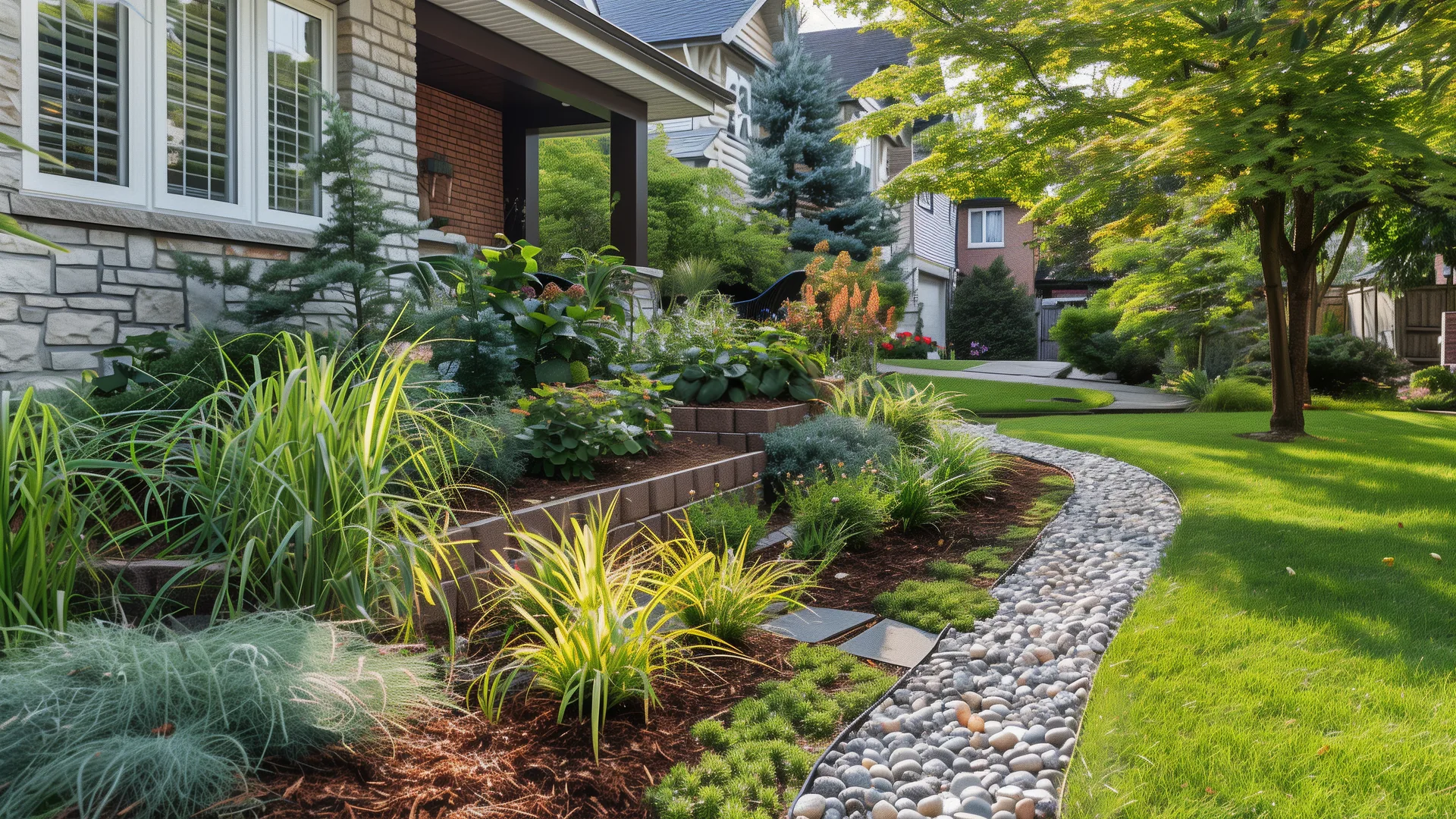
Garden beds define and soften a property's hardscaping, break up large grass areas, and provide planting opportunities for seasonal colour and year-round structure. We build garden beds by excavating the existing surface, installing steel or aluminum edging to hold the bed boundaries, and filling with a blended topsoil and compost mix that promotes healthy root development. Bed size, shape, and placement are determined based on existing structures, sightlines, and the plant species being installed. All beds are finished with mulch or decorative stone to retain moisture and suppress weed growth from season one.
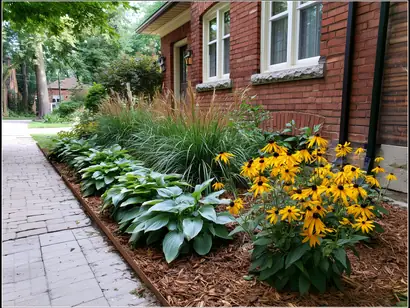
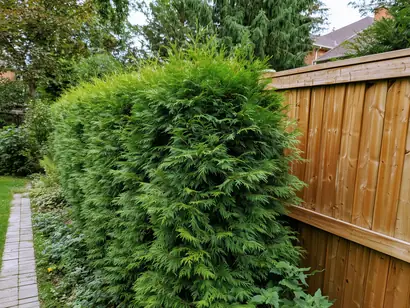
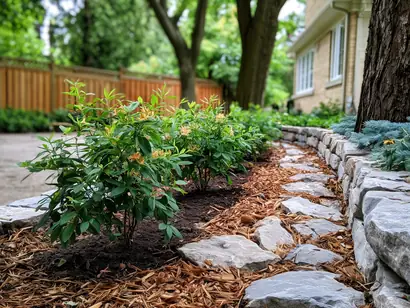
Adding a Walkway to Your Landscaping Project
Many landscaping renovations include a new walkway connecting the driveway, front entrance, or backyard patio. Darteno installs interlocking stone, natural flagstone, gravel, and stepping stone walkways as part of a landscaping project or as a standalone addition. See our [Walkways and Pathways](walkways-pathways) page for materials, base preparation, and pricing. Run that page's estimator alongside this one if your project includes both.
Privacy Landscaping
Privacy landscaping uses plant material and structural elements to reduce sightlines from neighbouring properties, streets, and adjacent structures. We install cedar hedges, columnar trees, tall ornamental grasses, and mixed evergreen screens depending on the speed of coverage needed and available growing space. Cedar is the most planted privacy species in the GTA. It tolerates our climate, responds well to shearing, and holds its screen through winter. Where planting space is limited, we combine narrower species with decorative screens or lattice structures to achieve the required privacy within a smaller footprint.
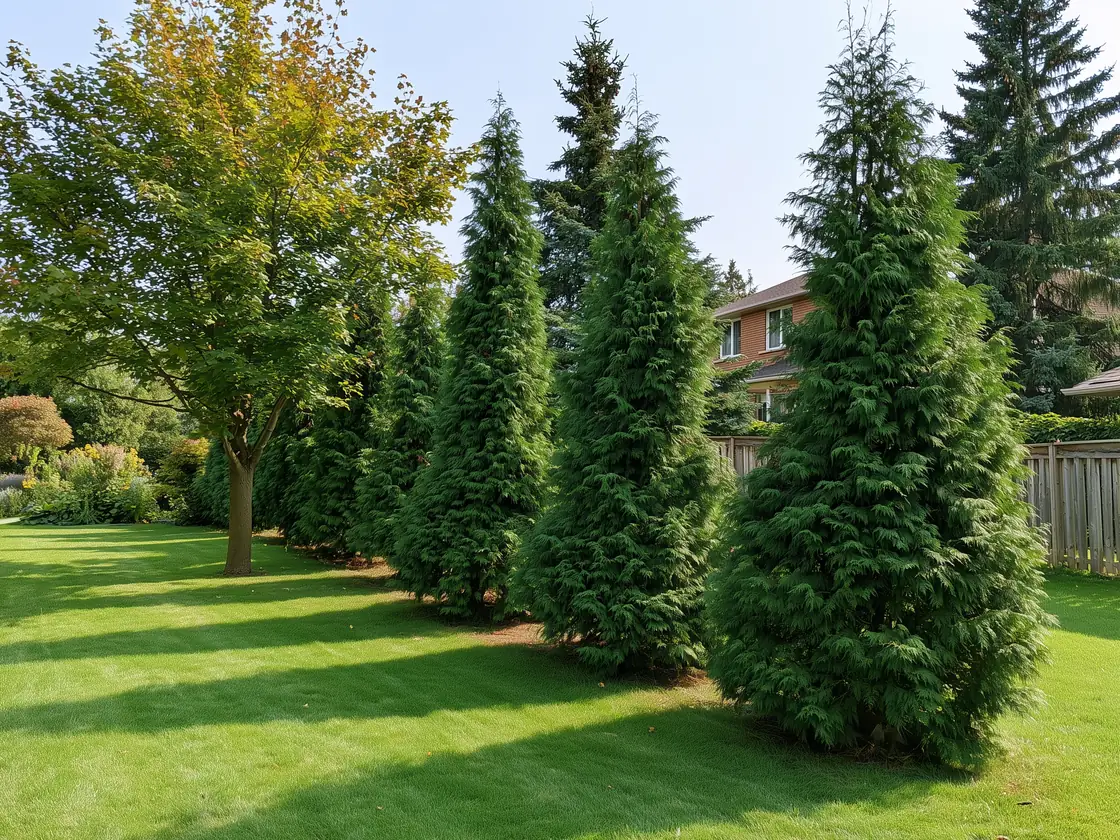
Cedar is the most planted privacy species in the GTA. It tolerates our climate, responds well to shearing, and holds its screen through winter.
Softscape
Softscaping covers the living and organic elements of a landscape. Soil preparation, mulch, ground cover, drainage infrastructure, and lighting that support plant health and outdoor usability. Clay soils dominate much of the GTA, holding water, compacting under foot traffic, and draining slowly. We address this through strategic topsoil import, compost amendment, and raised garden beds on properties where native soil is particularly dense or affected by construction activity.
Mulch Installation
A proper mulch layer retains soil moisture, moderates soil temperature through freeze-thaw cycles, suppresses weed germination, and prevents erosion during heavy rainfall. We install shredded hardwood mulch, cedar mulch, and dyed mulch at a depth of two to three inches. Enough to be effective without building up against plant crowns or tree bases, which can cause rot. Existing beds are cleared of debris and weeds before new mulch is applied.
Decorative Stone
Decorative stone is a low-maintenance alternative to mulch for garden beds, pathways, and ground cover areas. Stone does not decompose, does not require annual topping, and provides better drainage than organic mulch in areas prone to standing water. Particularly under decks, along fence lines, and in areas with minimal planting. We install river stone, crushed granite, lava rock, and natural pea gravel depending on the intended use and visual character of the project. All installations include landscape fabric and border edging to prevent migration through freeze-thaw seasons.
Soil Grading
Soil grading is the foundation of a functional landscape. Before any planting, sodding, or surface work is done, the ground must be shaped to direct water away from the home and toward appropriate drainage outlets. Poor grading is the root cause of most drainage complaints in Toronto. Pooling in low spots, water against the foundation, and saturated lawn areas that never dry out. We grade residential properties using machine and hand techniques, correct negative grades, and fill low spots before any surface finish is applied.
Cleanup, Repair, and Restoration
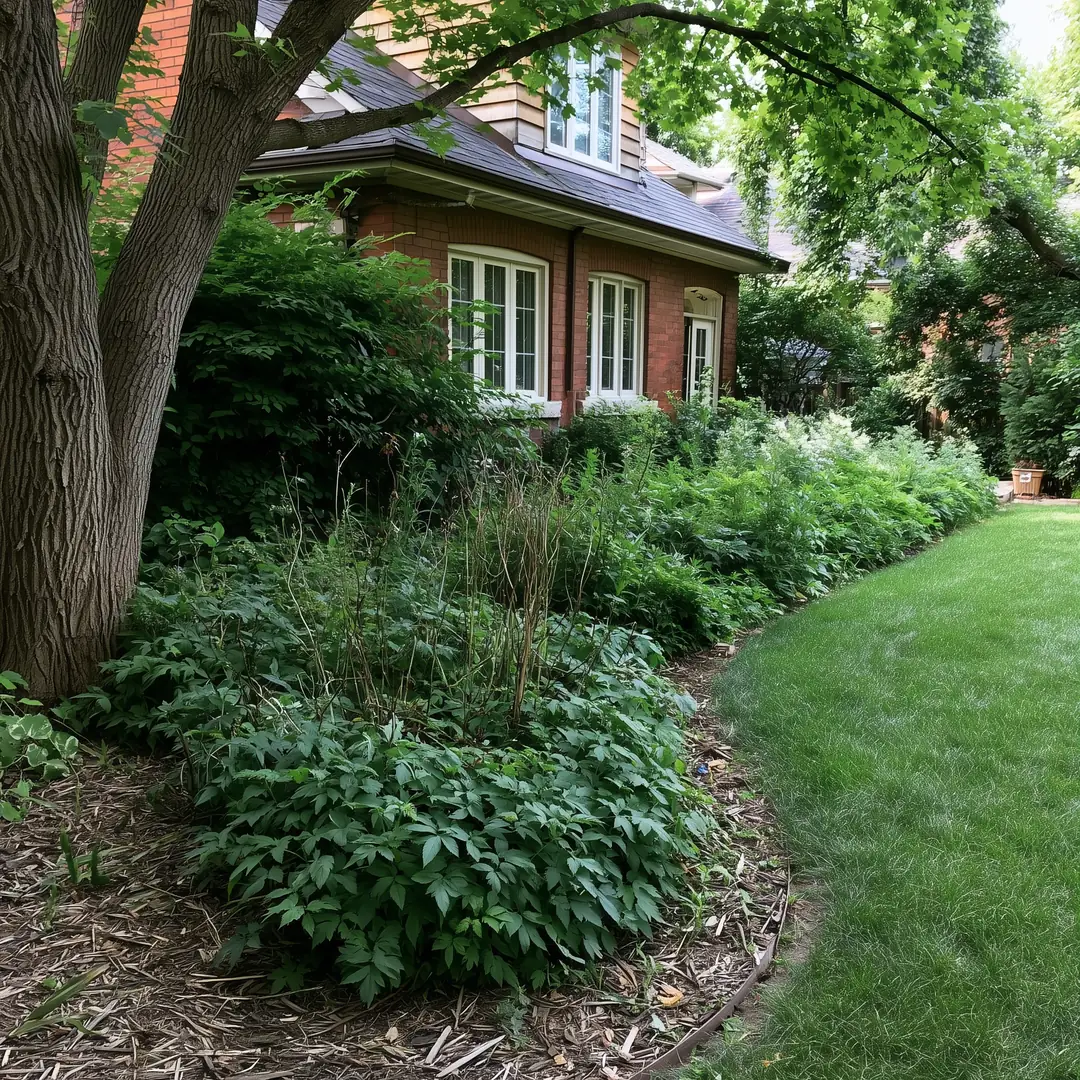
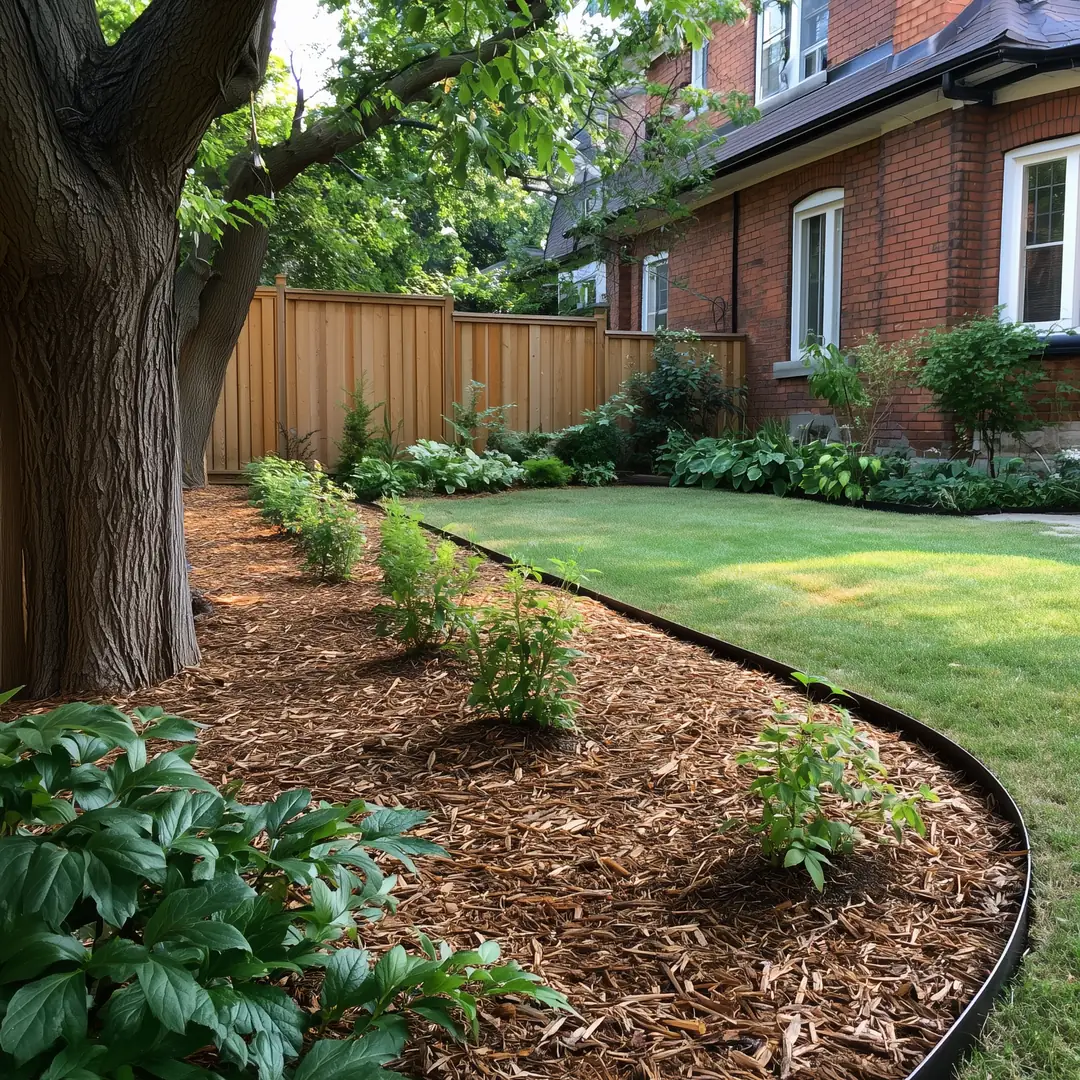
Landscaping damaged by winter, drainage problems, compaction, or years of deferred maintenance can often be restored without a complete rebuild. Darteno provides landscaping cleanup and restoration services throughout Toronto, Richmond Hill, Vaughan, and Markham. Addressing specific problem areas while preserving the parts of the yard that are working well.
- Sod repair and replacement: Dead patches, rutted areas, and sections damaged by construction traffic, salt burn, or disease are cut out and re-sodded with fresh Ontario-grown turf.
- Garden bed restoration: Overgrown, weed-invaded, or nutrient-depleted beds are cleaned out, soil is amended, edging is reinstalled where needed, and beds are replanted or mulched.
- Erosion repair: Areas where topsoil has washed away on slopes or along drainage paths are rebuilt with fill, compacted, and stabilized with sod, erosion control matting, or naturalized planting.
- Tree and shrub removal: Dead, diseased, or structurally hazardous trees and shrubs are removed, stumps are ground below grade, and the area is graded and finished for replanting or sod coverage.
- Grading corrections: Settled or shifted grades that direct water toward the home or create standing water are corrected before any surface restoration begins.
- Mulch and stone refresh: Beds that have lost depth or coverage are re-edged, cleared of debris, and topped up to restore weed suppression, moisture retention, and finished appearance.
- Walkway and pathway repair: Settled, cracked, or shifted walkways are covered on our Walkways and Pathways page
Before
After
Permits and Approvals
Most residential landscaping work including sod installation, garden bed preparation, planting, and mulching; does not require municipal permits in Toronto or across the GTA. However, several categories of landscaping work are subject to permit, approval, or notification requirements.
- Tree removal permits: Removing a tree on private property in Toronto requires a permit from the City if the tree meets certain size thresholds. Toronto's Private Tree Bylaw applies to trees with a trunk diameter of 30 cm or more at 1.4 m above grade. Markham, Richmond Hill, and Vaughan have their own tree preservation bylaws with varying size and species thresholds. Removing a protected tree without a permit can result in significant fines.
- Fill and grading permits: Importing topsoil or fill material to change the finished grade of a residential property may trigger a fill permit in some GTA municipalities. Significant grading changes that alter drainage patterns between properties are also subject to review, particularly on lots with registered grading plans.
- Front yard paving restrictions: Toronto and most GTA municipalities limit the proportion of the frontyard that can be covered with impervious materials. Replacing lawn or garden beds with hard surface beyond the permitted threshold requires approval.
- Boulevard landscaping: The strip of land between the sidewalk and the street is municipally owned in most Toronto and GTA neighbourhoods. Planting, removing, or altering boulevard landscaping requires permission from the applicable municipality. Toronto has a specific boulevard gardening permit for homeowners who wish to maintain garden beds on city-owned boulevard land.
- Conservation authority approval: Properties within or adjacent to designated regulated areas such as ravine edges, floodplains, wetlands, or natural hazard corridors may require approval from the Toronto and Region Conservation Authority (TRCA) or Lake Simcoe Region Conservation Authority (LSRCA) before any grading, filling, or vegetation removal is performed.
Combining Landscaping with Other Services
Landscaping projects often overlap with other scope, a new walkway, a retaining wall on a sloped lot, or drainage corrections before sod is laid. Each service has its own online estimator with its own inputs, so for a project that spans more than one service, run the estimator on each relevant page including walkways and pathways, retaining walls, and drainage and grading. Your full quote will include every service you select.
Areas We Serve
Darteno provides landscaping services in Richmond Hill, Vaughan, Markham, Toronto, Thornhill, Aurora, Newmarket, North York, Scarborough, Woodbridge, King City, Whitchurch-Stouffville, East Gwillimbury, and Bradford West Gwillimbury. Every landscape we build is designed for Toronto-area conditions. Clay soil, freeze-thaw cycling, road salt exposure near driveways and walkways, and summer drought stretches. So the results hold up season after season without constant intervention. Call (647) 838-3200 for a free estimate.