
Get an Instant Quote
Every Darteno project is backed by a written 3-year workmanship warranty.
Common Questions
How much does a patio cost in Toronto?
Most residential patio projects in Toronto and the GTA fall between $8,000 and $45,000 depending on size, material, and site conditions. A straightforward interlock patio of 200 to 300 square feet using standard concrete pavers runs approximately $10,000 to $18,000. Natural stone and large-format slab installations carry higher per-square-foot costs due to material pricing and the precision work involved. Projects with multiple levels, outdoor kitchen zones, fire pit areas, or complex base conditions such as clay soils or difficult site access add to the total. Spring and summer bookings typically carry a 10 to 15 percent premium over fall and off-season rates. Free itemized estimates are available from Darteno for any patio project.
What is the difference between interlock, natural stone, and large-format slab patios?
Interlock concrete patios use individual modular paving stones set in sand and offer design flexibility, straightforward repairability, and a wide range of colours and patterns at a lower starting cost. Natural stone patios, including flagstone, limestone, and granite, provide a premium organic appearance and are higher in material cost but offer unmatched character for residential outdoor spaces. Large-format concrete slab patios use oversized panels to create a contemporary minimalist surface with minimal joint lines, suited to modern home architecture and clean-line design schemes.
How long does patio installation take in Toronto?
Most residential patio installations in Toronto and the GTA take between 3 and 7 working days depending on patio size, excavation conditions, and material. A standard 200 to 300 square foot interlock patio on a flat lot is typically completed in 3 to 5 days. Larger multi-level projects, patios involving natural stone cutting, or installations on sites with clay soil or difficult access may take 7 to 10 days or longer. The full schedule is confirmed with you before work begins.
How long does a patio last in Ontario?
A professionally installed interlock patio in Toronto can last 25 to 30 years or more when proper excavation depth, granular base compaction, and drainage management are followed. Natural stone patios installed on a well-prepared base have comparable lifespans. The primary causes of early failure are inadequate base depth, poor compaction, clay soil migration into the granular base, and drainage problems that allow water to freeze beneath the surface.
Do I need a permit for a patio in Toronto?
Most ground-level patios don't require a building permit, as long as they don't alter your home's structure. Permit requirements are triggered by raised or elevated patios more than 600 mm above finished grade, attached pergolas or roof structures, gas rough-in for outdoor kitchens or fire pits, drainage impacts on neighbouring properties, and proximity to property line setbacks or ravine areas protected by the Toronto and Region Conservation Authority (TRCA) Darteno reviews site conditions during the estimate process and will flag any situations likely to require approval before work begins.
Can weeds grow through interlock patio joints?
Weeds can occasionally establish in patio joints when polymeric sand has degraded or washed out over time. High-quality polymeric sand applied after a clean installation and properly activated with water bonds into the joints and significantly inhibits weed growth. Annual inspection and sand top-up when levels have dropped more than a quarter-inch below the paver chamfer is the most effective long-term prevention.
What causes patio pavers to sink or shift?
The most common causes are inadequate excavation depth, insufficient base compaction, clay soil migration into the granular base over time, poor drainage that allows water to pool and freeze beneath the surface, and edge restraint failure that allows border stones to migrate outward. Geotextile fabric prevents clay migration, mechanical compaction in sequential lifts produces a stable base, and industrial edge restraints secured with heavy-gauge spikes prevent border movement. When sinking occurs on an existing patio, the root cause determines whether a targeted repair or a full base rebuild is the correct approach.
Can a damaged or sunken patio be repaired without full replacement?
Yes. Sunken sections can be lifted, the base excavated and rebuilt to the correct depth, and pavers reinstalled level with the surrounding surface. Individual cracked or broken pavers can be replaced without disturbing the rest of the patio. Washed-out polymeric sand can be restored after surface cleaning, and edge restraints that have pulled away can be reseated and re-spiked. Darteno provides free patio repair assessments throughout Toronto and the GTA so you understand the scope and cost before any work begins.
What patio material performs best in Toronto freeze-thaw conditions?
All three materials Darteno installs - interlock concrete pavers, natural stone, and large-format slabs - perform reliably through Ontario freeze-thaw cycles when installed on a properly engineered base. The base preparation is more important than the surface material. Adequate excavation depth, a compacted granular aggregate base with geotextile fabric, drainage management, and polymeric sand jointing are what determine long-term performance. Surface material choice is primarily an aesthetic and budget decision once the base is correctly specified.
How should I maintain my patio over time?
In the first 30 days after installation, avoid heavy power washing or dragging furniture across the surface while the polymeric sand cures. Each spring, clear winter grit and wash the surface with a garden hose or wide-angle pressure washer setting, keeping the nozzle at least 12 inches from the surface. Inspect joint sand annually and top up if levels have dropped more than a quarter-inch below the paver chamfer. Apply a breathable protective sealer every 3 to 5 years. For winter, use a plastic-edged shovel or snowblower with rubber shoes and calcium chloride-based deicers rather than rock salt.
Can Darteno build the hardscape base for an outdoor kitchen or fire pit?
Yes. Darteno builds the reinforced patio base and hardscape surface beneath an outdoor kitchen or fire pit area, including excavation to the required depth and engineered base construction to support concentrated loads. Cabinetry, appliances, and gas lines fall outside our scope. Those are handled by the trades you hire directly. We coordinate the paving schedule around your gas contractor rough-in timing so utilities land in the correct location before the surface is installed.
What laying pattern should I choose for my patio?
Herringbone is the most structurally stable pattern and suits heavily trafficked areas and surfaces supporting heavy outdoor furniture. Running bond draws the eye forward and makes narrower yards feel longer. Ashlar and linear patterns use multi-sized stones in a semi-randomized sequence that reduces long joint lines and suits both rustic flagstone and contemporary large-format slabs. Border details such as a sailor course or contrasting inlay colour add a custom element without increasing material cost significantly.
How do I choose a patio contractor in Toronto?
When selecting a patio contractor in Toronto, review project portfolios for patio work specifically and ask about base construction details, including excavation depth, base material type, whether lifts are mechanically compacted, and whether geotextile fabric is included. These details determine whether the patio holds up through Ontario winters. Verify that the contractor is licensed and insured and provides a written estimate with itemized scope. Reputable contractors clearly describe base preparation, drainage approach, and installation timelines before work begins and include a written warranty on workmanship and materials.
Darteno Construction Inc. designs and installs residential patios throughout Richmond Hill, Vaughan, Markham, Thornhill, Aurora, Newmarket, North York, Scarborough, Woodbridge, and Toronto. Whether you are building a backyard entertaining area, an outdoor dining space, a poolside patio, or a front entrance sitting area, we create durable patio systems engineered specifically for Ontario's freeze-thaw climate. We are licensed, insured, English- and Mandarin-speaking, and have been serving GTA homeowners since 2021. All estimates are free. Call (647) 838-3200 or visit 142 Valleymede Dr, Richmond Hill, ON.
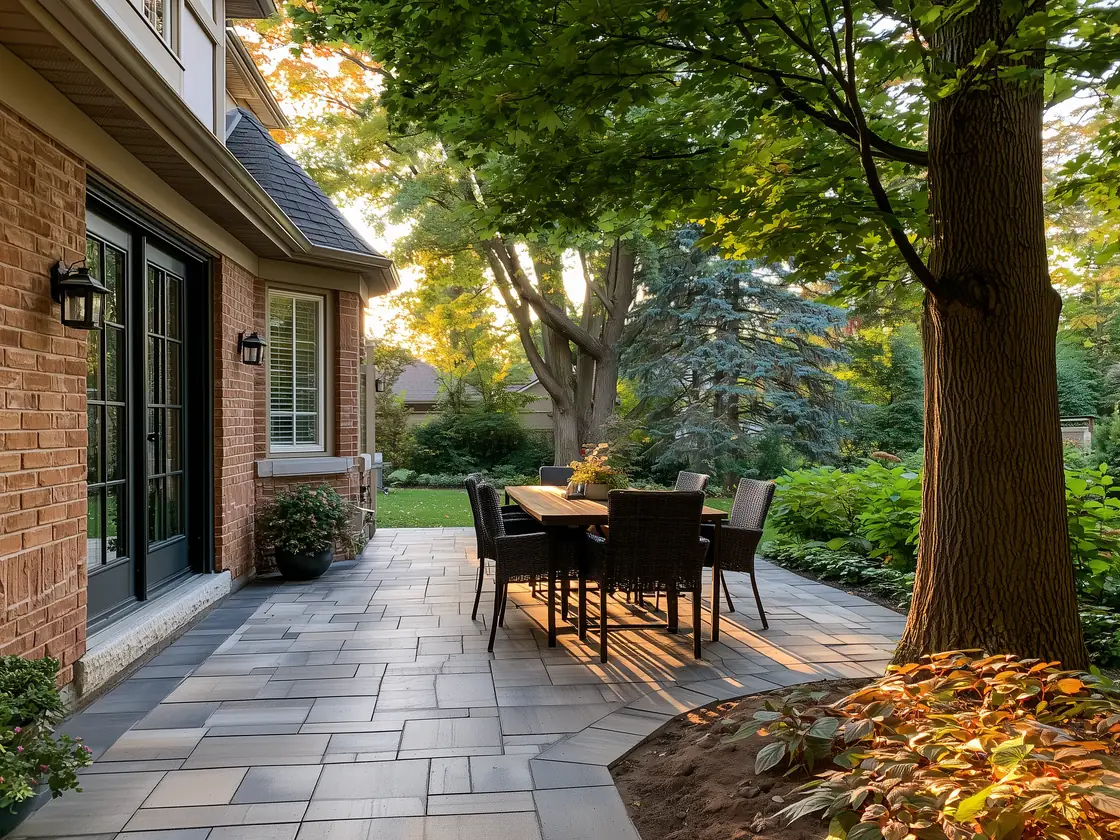
Interlock, natural stone, or large-format slabs. Every patio Darteno builds starts with proper excavation and a compacted granular base engineered for Ontario freeze-thaw cycles.
What to Expect During Installation in Toronto
Patio installations at Toronto and GTA homes begin with excavation and removal of the existing surface, followed by subgrade assessment, granular base preparation, and mechanical compaction before any paving stones are placed. The base work is the most time-intensive phase of the project and the most important. Proper excavation depth and granular base compaction determine whether the patio stays level through Toronto's freeze-thaw cycles. Most residential patio installations across the GTA are completed in three to seven working days. Larger projects with multiple levels, outdoor kitchen preparation, or integrated lighting may take longer, and the full schedule is confirmed with you before work begins.
On the final installation day, polymeric sand is applied, compacted, and activated with water to lock the joint system. The crew completes a final level check, edge restraint inspection, and full site cleanup. You will receive a walkthrough of the finished patio, joint care instructions for the first 30 days while the polymeric sand cures, and details on your warranty coverage. The balance of the project cost is due upon satisfactory completion of the final walkthrough.
Patio Materials
Interlock Patios
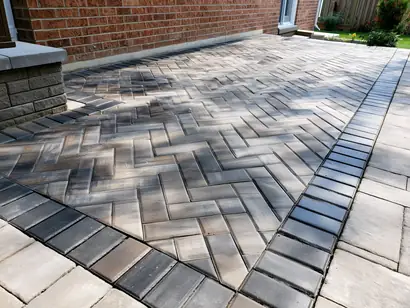
Interlocking concrete stone patios are the most popular choice for homeowners across Toronto and the GTA. Individual paving stones allow for flexible design patterns including herringbone, running bond, fan, and ashlar layouts. The modular structure means the surface can accommodate slight ground movement without cracking across the entire patio, and individual stones can be lifted and replaced if a section of the base fails or a single paver is damaged. A professionally installed interlock patio in Toronto can last 25 to 30 years or more when proper excavation depth, granular base compaction, and drainage management are followed during installation.
Natural Stone Patios
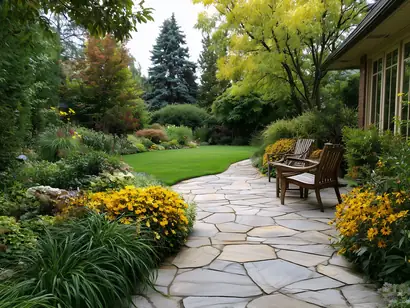
Natural stone patios provide a premium aesthetic for Toronto backyards and front entrance areas. Darteno installs flagstone, limestone, and granite patio systems using proper base preparation and bedding techniques suited to each stone type. Flagstone patios use irregularly shaped natural stone pieces set in sand or mortar to create an organic, textured appearance suited to garden pathways, backyard entertaining areas, and poolside surfaces. Limestone is widely selected for its neutral tones and smooth finish. It complements both modern and traditional home exteriors and is commonly used for front entrance patios and multi-level outdoor spaces. Granite offers exceptional hardness and weather resistance and is among the most durable natural stone options available for GTA patio installations.
Large-Format Slab Patios
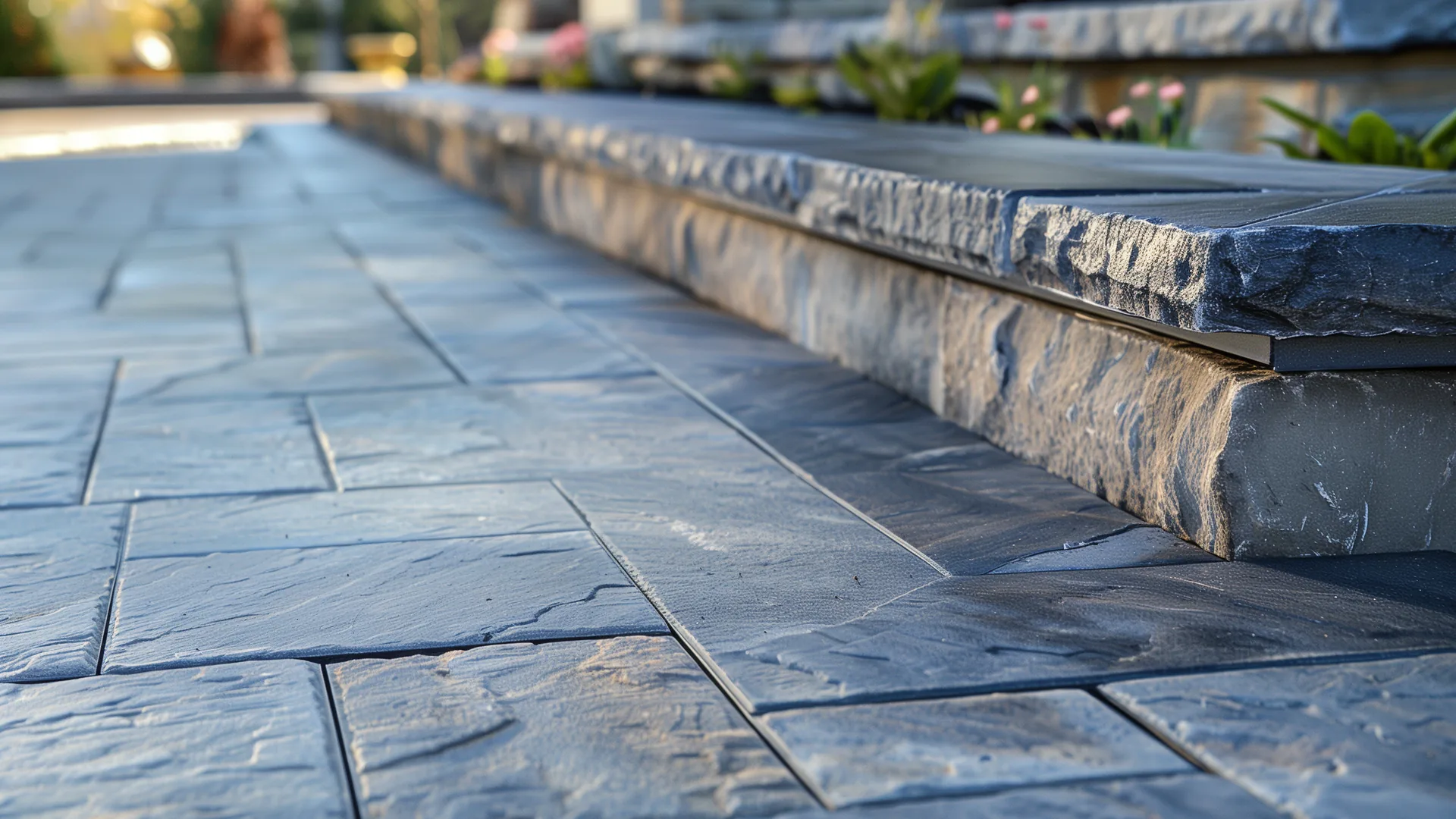
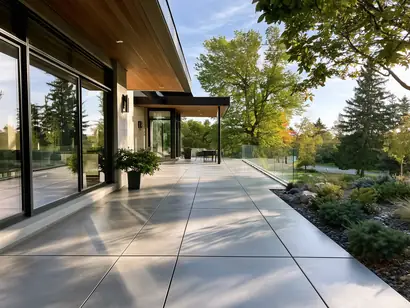
Large-format concrete slab patios use oversized paving units to create clean, uninterrupted surface planes with minimal visible joint lines. Large-format slab systems on properly prepared, compacted bases using the precision levelling these tight-tolerance materials require. Large-format slabs produce a contemporary aesthetic characterized by wide stone panels and minimal visible seams, a style that pairs well with modern home architecture, frameless glass railings, and minimalist landscaping. Neutral grey, charcoal, and sandstone tones are among the most requested formats for GTA residential patio projects.
Base Preparation and Engineering
The longevity of any patio in Toronto depends entirely on what lies beneath the surface. Poor subgrade preparation is the primary cause of shifting, sinking, and water pooling across GTA patios.
Excavation Depth and Subgrade Preparation
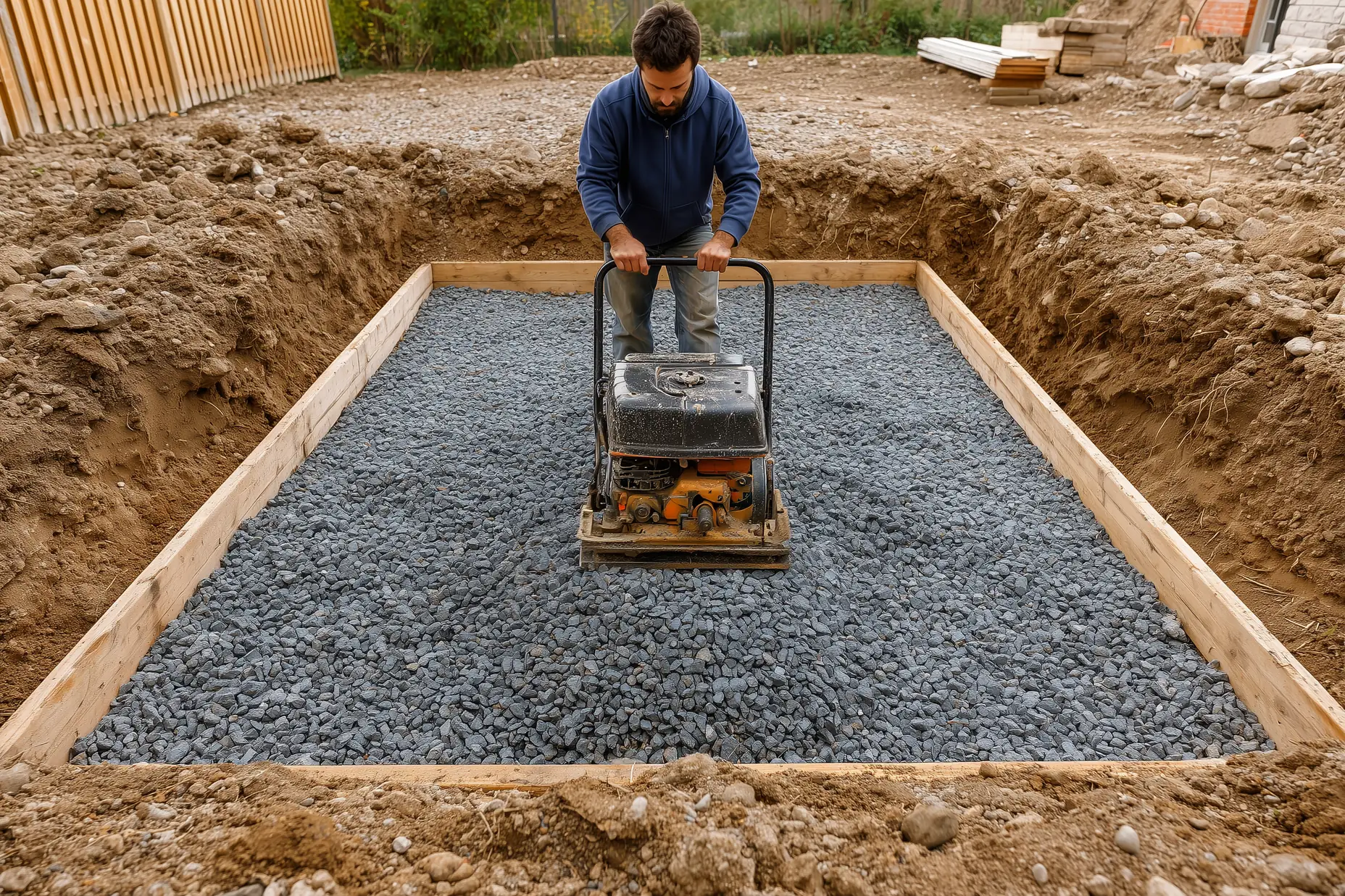
For standard residential pedestrian use, excavation is to a depth of 7 to 9 inches below planned finished grade. For areas supporting heavier structures such as outdoor kitchens, excavation increases to 10 to 12 inches. The native subgrade is cleared of organic material and compacted using mechanical plate compactors to create a uniform foundation.
Geotextile Fabric
A commercial-grade woven geotextile fabric is laid across the excavated subgrade before the granular base goes down. This stops native clay from migrating upward into the base over time. common cause of localized sinking in the clay-heavy soils around Richmond Hill, Markham, and Vaughan.
Granular Base
The primary load-bearing foundation is built using three-quarter-inch crushed clear stone or Granular A aggregate, placed in sequential lifts of no more than 3 to 4 inches and mechanically compacted at each stage. A standard pedestrian patio receives a minimum 6-inch compacted aggregate base. Heavy-load sections receive an 8-to-10-inch base. The clear stone provides strength while its open void structure allows moisture to drain rapidly, preventing water from trapping and freezing beneath the stones.
Bedding Layer
A uniform 1-inch layer of washed angular bedding sand or High Performance Bedding chip stone is screeded above the compacted base. This layer is not compacted prior to stone placement. It serves as a level matrix into which individual pavers or natural slabs are set.
Edge Restraints
Heavy-duty industrial PVC or aluminum edge restraints are installed along all unsecured patio borders, secured into the compacted aggregate base using 10-inch heavy-gauge steel spikes spaced every 12 inches. Edge restraints prevent perimeter stones from migrating outward under weight or frost pressure and are essential to the long-term structural integrity of the patio.
Laying Patterns and Design Options
Laying pattern affects both the structural performance and the visual character of the finished patio. Common patterns used for GTA residential patio installations include:
- Herringbone (45 or 90 degrees): Alternating angles that create a traditional, high-end appearance with the highest structural stability. Well suited to heavily trafficked areas and surfaces supporting heavy furniture.
- Running bond: Parallel rows with offset joints, mimicking classic brickwork. The pattern draws the eye forward, making narrower yards feel longer.
- Ashlar and linear patterns: Multi-sized square and rectangular stones in a semi-randomized sequence that reduces long joint lines and creates a balanced appearance compatible with both rustic flagstone and contemporary large-format slabs.
Border Details and Inlays
- Sailor course: Pavers laid perpendicular to the patio edge, forming a crisp framed perimeter.
- Soldier course: Pavers laid end-to-end along the edge, creating a substantial classical frame.
- Contrasting inlays: A secondary paver colour used to highlight steps, borders, and transitions while adding a custom designer element to the surface.
Patio Size and Functional Zones
Small Patios (Up to 150 Sq. Ft.)
Well suited to bistro seating, front entrance sitting areas, townhouse courtyards, and semi-detached properties in high-density areas. Smaller paver profiles and clean natural stone slabs prevent tight footprints from feeling visually crowded.
Medium Patios (150 to 400 Sq. Ft.)
The most versatile size range for detached and semi-detached homes across Toronto's residential neighbourhoods. A 12x16 or 15x20 foot footprint accommodates a full outdoor dining table or sectional sofa while leaving adequate perimeter clearance for movement.
Large and Multi-Level Patios (400 Sq. Ft. and Over)
Suited to backyard entertainment spaces with dedicated cooking, lounging, and dining zones. These projects are engineered as complete custom outdoor living areas, and base design accounts for concentrated loads where an outdoor kitchen, fire feature, or pergola will sit.
Outdoor Kitchen Zones
Darteno builds the reinforced patio base and hardscape surface beneath an outdoor kitchen to support the concentrated loads of cabinetry, countertops, and appliances. The outdoor kitchen itself including the cabinetry, appliances, gas, and electrical is outside our scope and handled by the trades you hire directly. We coordinate the timing of our excavation and base work around your gas and electrical contractors so utility rough-ins land in the right place before the surface is installed.
Fire Pit Zones
Darteno builds the non-combustible paved surface and surrounding hardscape for a fire pit area, with the separation from structures, fencing, and overhead elements that the space requires. We do not supply or install the fire pit or any gas line. That work belongs to your licensed gas contractor. Where a gas line is part of the plan, we coordinate our base and paving schedule around that contractor's rough-in.
Maintenance and Long-Term Care
Initial Curing Period (First 30 Days)
Immediately following installation, avoid heavy power washing, forceful hose spraying, or dragging heavy furniture across the surface. Keep joints clear of organic debris, leaves, and standing water while the polymeric sand cures.
Annual Cleaning and Joint Inspection
Every spring, sweep away winter grit and wash the surface with a garden hose or wide-angle pressure washer setting, keeping the nozzle at least 12 inches from the surface. Inspect joint sand levels annually. If sand has dropped more than a quarter-inch below the paver chamfer, top up with matching polymeric sand, sweep away excess dust, and mist lightly with water to reactivate the bond.
Sealing
Applying a breathable protective sealer every 3 to 5 years preserves paver colour and reduces surface porosity. Natural look sealers protect against stains without changing the appearance of the stone. Wet-look and colour-enhancing sealers deepen the natural pigments and provide stain resistance. Patios must be completely dry for at least 48 hours before any sealer is applied.
Winter Care
Use a plastic-edged shovel or a snowblower equipped with rubber shoes. Avoid raw rock salt (sodium chloride), which causes pitting and scaling on concrete and natural stone during freeze-thaw cycles. Use calcium chloride-based deicers or clean traction sand to maintain winter safety without damaging the surface.
Patio Repair Services
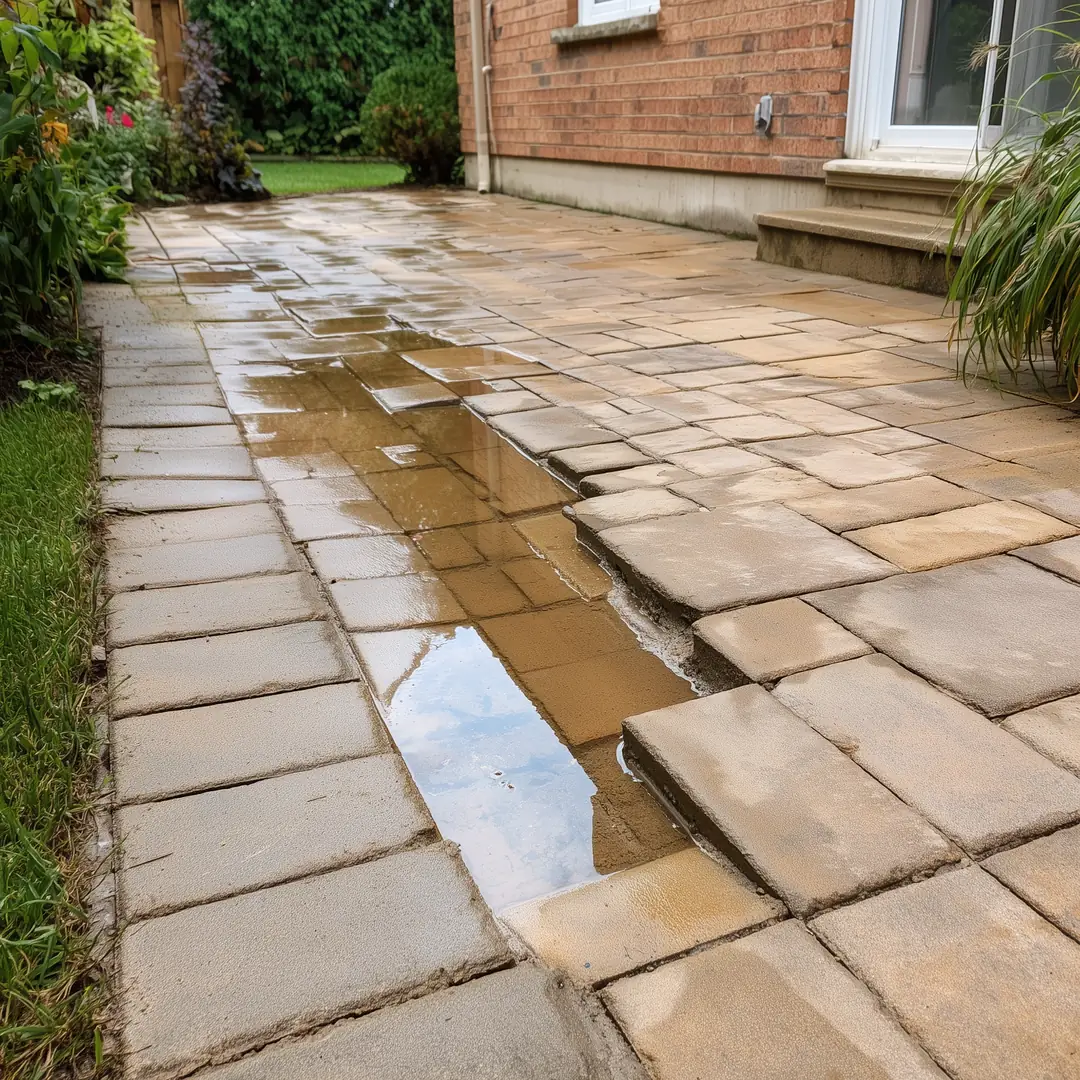
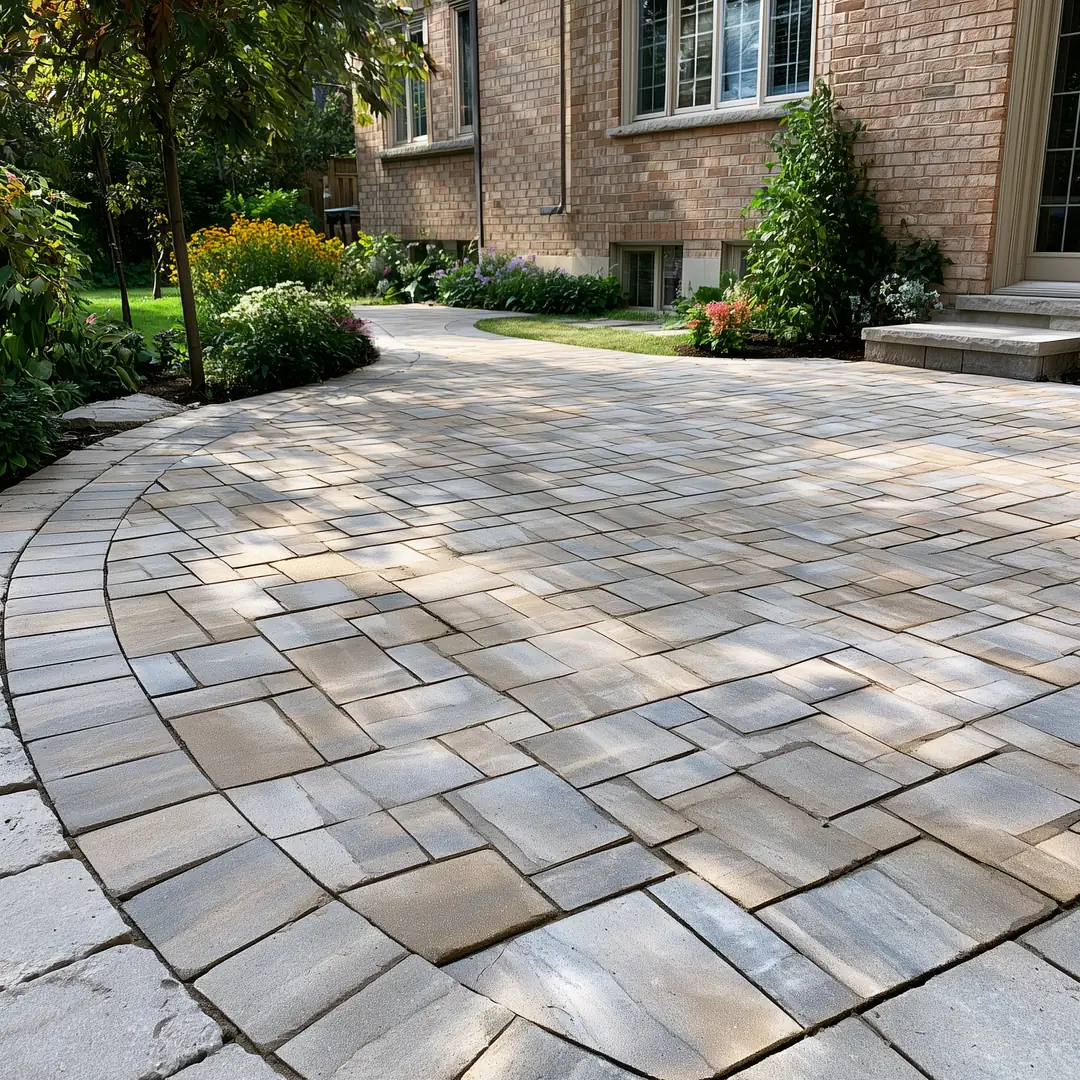
A patio that has shifted, settled, or developed drainage problems does not always need to be replaced. The most common patio issues in Toronto - sunken sections, cracked pavers, washed-out joint sand, and pooling water are all repairable when the root cause is properly identified and corrected. Darteno provides free patio repair assessments in Toronto and across the GTA so you understand exactly what is needed and what it will cost before any work begins.
- Sunken or uneven paver repair: Settled areas are lifted, the base is excavated and rebuilt to the correct depth, and pavers are reinstalled level with the surrounding surface.
- Individual stone replacement: Cracked, broken, or badly stained pavers are pulled and replaced with matching units, factoring in colour, texture, and format to minimize the visibility of the repair.
- Polymeric sand restoration: Joint sand that has washed out or degraded is replaced after power washing and full surface drying.
- Edge restraint repair: Patio edges that have pulled away allow border stones to migrate outward. We reseat and re-spike the edge restraint and reset any displaced border pavers.
- Drainage corrections: Patios with persistent pooling, water running toward the house, or base erosion require surface regrading, improved outlet slope, or channel drain installation.
- Step and transition repair: Steps that have settled, cracked, or separated from the main surface are lifted and rebuilt with a correct base and riser height to restore safe access.
Before
After
Permits and Approvals for Patio Construction in Toronto
Ground-level patio installations that do not alter the structure of a home typically do not require a building permit from the City of Toronto. However, several patio configurations introduce permit requirements homeowners should confirm before construction begins.
- Raised or elevated patios: Patios raised more than 600 mm (approximately 24 inches) above finished grade are subject to building permit requirements under the Ontario Building Code.
- Structures attached to the home: Pergolas, covered patios, awnings, or roof structures attached to the house wall require a building permit.
- Outdoor kitchens and gas connections: Gas rough-in for outdoor kitchens, fire pits, or barbecue connections requires a licensed gas contractor and a permit from the Technical Standards and Safety Authority (TSSA)
- Drainage and grading impacts: Patio installations that alter yard drainage patterns, direct additional water toward neighbouring properties, or change the grade around the foundation may require grading approval.
- Zoning setbacks: Patios built close to property lines must respect rear and side yard setback minimums under the City of Toronto Zoning By-law.
- Ravine and protected areas: Properties under TRCA jurisdiction or designated under the city's Ravine and Natural Feature Protection By-law require environmental review and permits before any excavation or hardscaping.
Combining a Patio with Other Services
A backyard patio is often connected to the house or driveway by a walkway, and many patio projects are part of a larger landscaping renovation or sit above a sloped yard that needs a retaining wall. If your project spans more than one of these, run the estimator on each relevant page. Your full quote will include every service you select.
Areas We Serve
Darteno installs patios in Richmond Hill, Vaughan, Markham, Toronto, Thornhill, Aurora, Newmarket, North York, Scarborough, Woodbridge, King City, Whitchurch-Stouffville, East Gwillimbury, and Bradford West Gwillimbury. Backyard patio projects across these communities range from straightforward interlock installations on new builds to multi-level entertainment spaces built to support outdoor kitchens, fire features, and integrated lighting. Whatever the scope, the fundamentals stay the same. Proper excavation depth, drainage management, and paver selection suited to Ontario's freeze-thaw climate are what determine whether a patio holds up or starts shifting within a few seasons. Call (647) 838-3200 for a free estimate.